Head to head
Nemo Chogori vs MSR Remote
The Nemo Chogori gives each person more floor — 20.1 sq ft against 16.5, which is the difference between roomy and standard. The Nemo Chogori is the lighter carry at 7 lb 1 oz, and the Nemo Chogori is the cheaper of the two at ~$800.
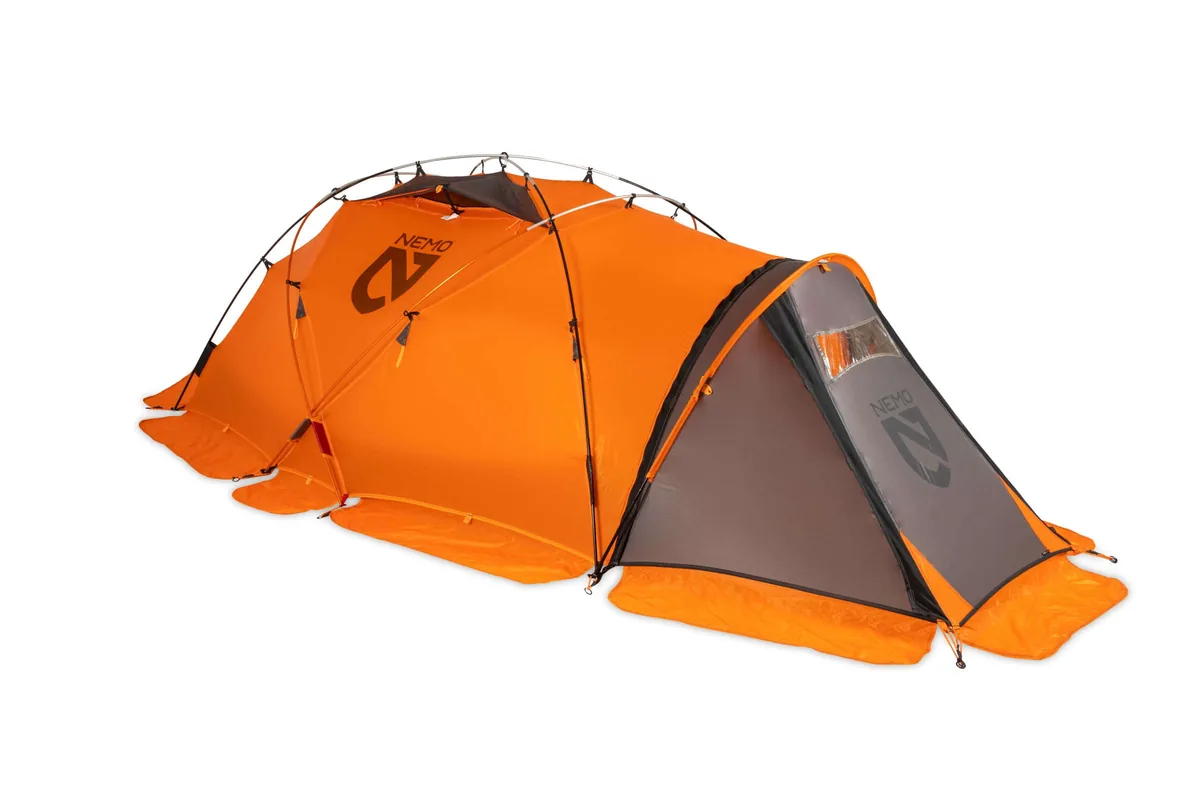 Nemo Nemo Chogori | 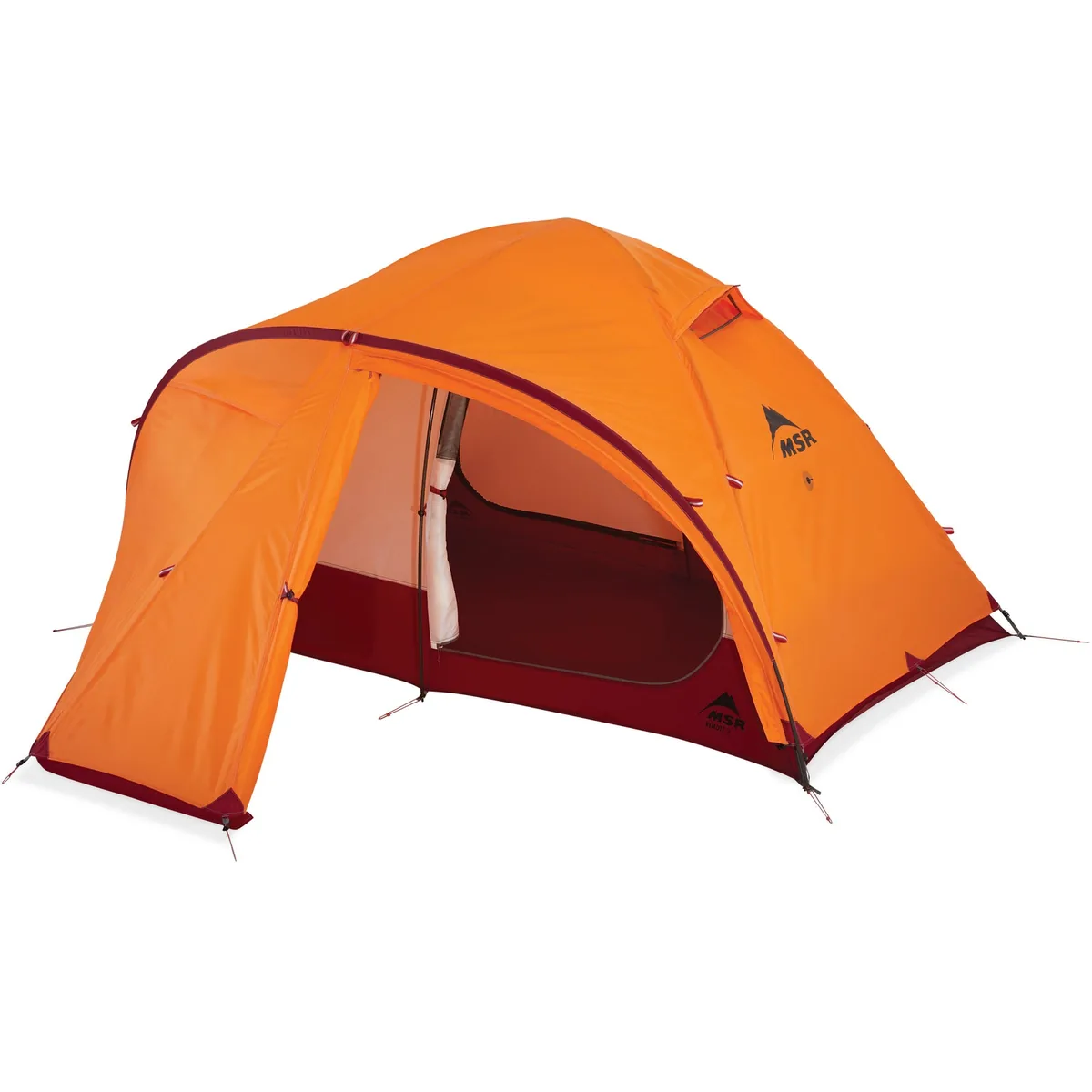 MSR MSR Remote | |
|---|---|---|
| Type | 4-season | 4-season |
| Rated capacity | 2-person | 2-person |
| Floor area per personestimated | 20.1 sq ft (roomy) | 16.5 sq ft (standard) |
| Floor area | 40.1 sq ft | 33 sq ft |
| Vestibule area | 15.9 sq ft | 22 sq ft |
| Peak height | 39 in | 44 in |
| Minimum trail weight | 7 lb 1 oz | 7 lb 4 oz |
| Packed weight | — | 7 lb 13 oz |
| Weight per personestimated | 3 lb 9 oz (trail weight) | 3 lb 10 oz (trail weight) |
| Pad fitestimated | 2 × 25 in pads fit | 2 × 25 in pads fit |
| Fits sleepers up toestimated | 6ft 11in tall | 6ft 9in tall |
| Doors | 2 | 2 |
| Freestanding | freestanding | freestanding |
| Poles | aluminum | carbon |
| Wall type | double wall | double wall |
| Season rating | 4-season | 4-season |
| Floor hydrostatic head | — | 10,000 mm |
| Packed size | — | 20 x 7 in |
| Approx. price | ~$800 | ~$860 |
Nemo Chogori
Forty square feet for two people is twenty square feet each, which is the roomiest per-person figure of any two-person tent in this catalog — and it is deliberate, because an expedition tent is somewhere you sit out a storm for two days, not somewhere you sleep. Two doors, two vestibules, 113 ounces, and a peak height of only 39 inches, which is the shape that survives wind. Nemo does not publish fabric details for it, which is the one thing you would want to know at $800.
Best for
Expedition and basecamp use where you will be inside for whole days and wind matters more than headroom.
MSR Remote
A 10,000 mm floor is not a typo — it is five times what a good three-season tent carries, and it is what you want when the tent is pitched on snow that will melt under you for a week. The Remote 2 pairs it with a 68D polyester fly that will not stretch in the wet, three Syclone poles, 22 square feet of vestibule and a 55-inch floor width that makes it genuinely roomy for two in winter kit. Seven and a quarter pounds is the price, and it is an honest one for a basecamp tent.
Best for
Winter basecamps and expeditions where the tent sits on melting snow for days at a time.
Rows where the two differ are tinted. Specs are the makers’ own; floor area per person, weight per person and pad fit are our arithmetic on them.